
How to help after a stroke: the role of the family
A stroke changes the life of the whole family overnight. Alongside worry and fear come questions: how to talk, how to help with getting up, what the person is allowed to eat, how to prepare the flat. The good news is that the family can do a great deal to help recovery. This guide offers practical advice from the everyday work of nurses and therapists.
The most important rule at the start: help, but do not do everything for the patient. Every time they get up by themselves, every button they do up by themselves, is part of the therapy. The brain recovers through repetition, and repetition cannot be left to someone else.
Communication
A stroke can make speaking, understanding, reading or writing difficult (aphasia). Intelligence and personality are most often preserved, so treat the person as an adult who has difficulty with language.
- Speak slowly and clearly, in short sentences. Do not shout.
- Ask questions that can be answered with yes or no.
- Give the person time to answer and do not finish their sentences for them.
- Use gestures, pictures, writing or pointing to objects.
- Reduce noise: turn off the television while you talk.
If the patient does not notice their left or right side (neglect), agree with the team which side to approach them from and where to place things.
Moving and transferring safely
A fall is one of the most common complications after a stroke. Before you start helping on your own with getting up, walking or transferring to a chair, ask a physiotherapist or nurse to show you the technique.
- Never pull on the weak arm, and do not lift the patient under the armpit on the weaker side. The shoulder is easily injured this way.
- When sitting, the weak arm should rest on a pillow or a table, not hang down.
- The patient should wear closed shoes with non-slip soles, never just socks.
- Keep the walking aid (stick, walking frame) always within reach.
- At night, make sure there is a light on the way to the bathroom.
Read more about how standing and balance return in our article verticalisation and balance.
Eating, swallowing and medicines
Swallowing difficulties are very common after a stroke and can lead to pneumonia. Before you bring the patient food or a drink, ask the team whether swallowing has been assessed and whether food needs to be chopped finely or drinks thickened.
If the patient coughs, chokes or their voice changes (sounds “gurgly”) while eating or drinking, stop feeding them and tell the nurse or doctor. Feed them sitting upright, and after meals leave them sitting for at least half an hour.
Medicines after a stroke are important for preventing another stroke. Help make sure they are taken regularly and exactly as the doctor instructed, and do not change or skip them on your own initiative.
Exercise and motivation
Therapists will often show exercises that the patient can do outside therapy sessions too. The family can help make sure they are actually done:
- Agree with the therapist which exercises and how many times a day.
- Include the affected arm in everyday tasks: washing the face, holding a cup, folding laundry.
- Celebrate small victories: “ten metres further today” is worth a lot.
- Keep a short progress diary. It helps both the patient and the team.
Tiredness is common and is not a sign of laziness. Do not push when the patient is exhausted, but do not give up on exercises because of one bad day either.
Mood and changes in behaviour
Sadness, tearfulness, irritability, loss of interest or sudden mood swings are common after a stroke. Part of this is a result of the brain damage, not of the person's character. Depression after a stroke can be treated, so mood changes that last longer than two weeks are worth mentioning to the doctor.
Preparing the home for the return
- remove rugs, cables and obstacles from walkways
- fit grab rails by the toilet and shower, and put down a non-slip mat and a shower chair
- the bed should be high enough to make getting up easier
- put things used every day within reach, without bending or climbing
- if there are stairs, ask the therapist to practise stair climbing before discharge
Look after yourself too
Carers often neglect their own health, and long-term care is exhausting. Accept help from other family members, and arrange shifts and rest. Talk to a doctor if you feel exhausted, cannot sleep or feel anxious. Looking after yourself is not selfish: a rested carer helps better.
When to call emergency services straight away
Call 112 (the European emergency number) if there is sudden new weakness or numbness of the face, arm or leg, difficulty speaking, sudden loss of vision, a severe headache, sudden confusion or unusual drowsiness, loss of consciousness or a seizure, chest pain or difficulty breathing. Note the time the symptoms started.
A doctor the same day: choking or coughing while eating, a fever, a swollen and painful leg, redness or a sore on the skin at pressure points.
How we involve the family at Zelendur
At Specijalna bolnica Zelendur in Samobor, the rehabilitation plan is drawn up after a medical examination, a nursing assessment and a physiotherapy assessment, and it is adjusted every day. If you will be helping with getting up or with care at home, tell the team in good time. Nursing care is available round the clock, and the therapy schedule for the next day is known the day before, which makes it easier to plan visits.
Family members can stay with the patient, depending on the availability of hotel accommodation. Check whether a shared stay is possible when arranging admission. To find out what to bring and what a day looks like, read our article what to bring and what a day looks like.
If you are not sure what is best for you, get in touch: we will review your medical records free of charge and suggest the next step.
Frequently asked questions
How do I talk to someone who has difficulty speaking after a stroke?
Speak slowly, in short sentences, and ask questions that can be answered with yes or no. Give the person time to answer and do not finish their sentences for them. Gestures, pictures and writing also help, and a speech and language therapist can show you methods suited to that particular person.
How do I help a stroke patient get out of bed?
The safest way is to learn the technique from a physiotherapist or nurse, because it depends on which side is weaker and how much the person can do alone. Never pull on the weak arm. Let the patient do everything they can by themselves, while you provide support and stability.
Can a stroke patient eat and drink normally?
Not always. Swallowing difficulties are common and can lead to pneumonia. Ask the team whether swallowing has been assessed and whether food or drinks need to be adapted. If the patient coughs or chokes while eating, stop feeding them and tell the doctor.
How do I cope with mood changes after a stroke?
Sadness, irritability, tearfulness and loss of motivation are common after a stroke and are part of the illness, not of the person's character. Depression can be treated, so changes in mood are worth mentioning to the doctor. Patience and keeping a daily routine help.
What if I can't care for my parent alone after a stroke?
This is a common and understandable situation. In the early stage, inpatient rehabilitation can provide therapy and care day and night while the family learns how to help. Talk to the team about the options and do not neglect your own health.
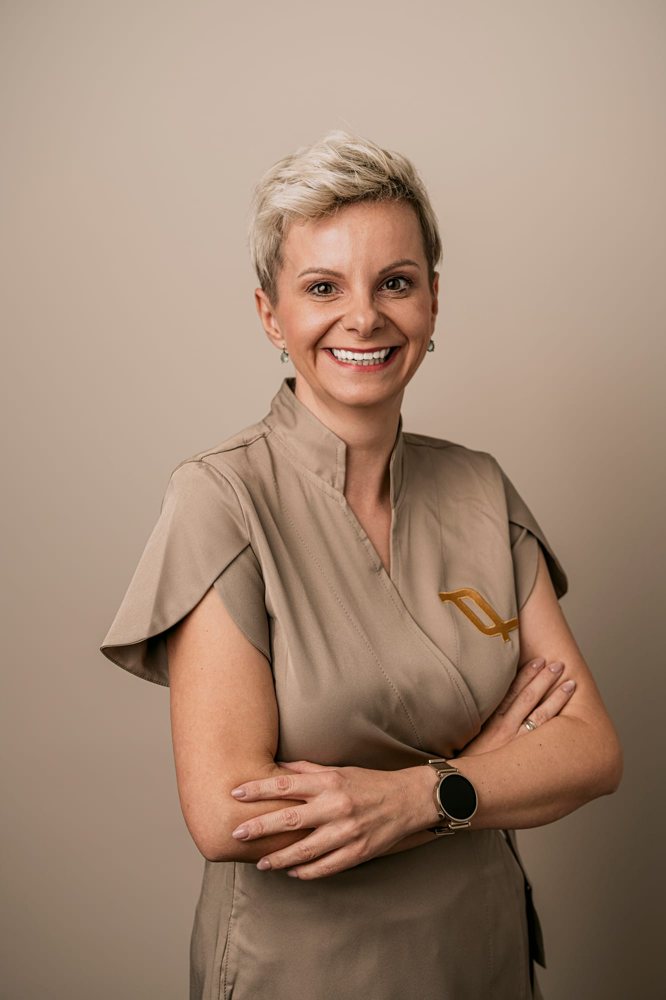
Bachelor of nursing and healthcare manager with more than 20 years of experience in primary care, hospital care and care homes for older people, in Croatia and Germany. At Zelendur she leads nursing care: admission and nursing assessment, round-the-clock care and preparing patients and their families for the return home. She has held management positions for the past ten years. Before joining Zelendur, she set up the nursing service of the newly opened Dom Sveta Barbara care home in Kupljenovo from day one, led a team of 25 staff and worked with physiotherapists on residents' rehabilitation. She initiated and led the digitalisation of nursing records and can also speak with patients in German and English.
Biography and articles →Next content review: 18 May 2027. This text is for information only and does not replace an examination by a doctor.
Sources
- Stroke rehabilitation in adults, guideline NG236 (NICE, 2023): nice.org.uk/guidance/ng236
- Stroke, recovery (NHS): nhs.uk/conditions/stroke
- Information for carers and families (Stroke Association): stroke.org.uk
- Public health information on stroke (Hrvatski zavod za javno zdravstvo): hzjz.hr