

What manual therapy is
Manual therapy is hands-on treatment. The physiotherapist uses special techniques to move the joints, relax the muscles and fascia and improve the mobility of the nerve structures. The aim is to reduce pain, restore mobility and make exercise easier.
The most common manual therapy techniques are: - joint mobilisation: slow, rhythmic movements of a joint in a precisely defined direction and range, which reduce pain and increase mobility; - soft tissue techniques: massage, myofascial release and pressure on painful points in the muscles; - muscle energy techniques and stretching, in which you alternately tense and relax a muscle actively under the therapist's guidance; - neurodynamic techniques: movements that improve the mobility of the nerves, for example for pain that spreads into the arm or leg.
Which techniques the physiotherapist uses depends on the assessment and on what is causing your symptoms.
What the treatment involves
- The physiotherapist first talks with you about your symptoms and assesses your mobility, painful spots and the positions that make the pain worse or better.
- Based on the assessment, they apply the selected techniques, usually while you are lying or sitting.
- After each technique, they check the movement and pain again to see whether anything has changed.
- At the end, you are given exercises to maintain the effect achieved.
During therapy you feel pressure, stretching and sometimes mild discomfort, but it should not hurt a lot. Tell the physiotherapist if a movement feels unpleasant. For a day or two after therapy you may feel mild tenderness, similar to how you feel after exercise.
Who manual therapy helps
- for lower back pain and neck pain;
- for pain that spreads into the arm or leg, as part of treatment alongside exercise;
- for joint stiffness after immobilisation, injury or surgery, when the doctor allows it;
- for frozen shoulder and other conditions with limited shoulder mobility;
- for headache that originates in the neck;
- for tension and painful points in the muscles;
- for scars that limit movement, once they have fully healed.
The NICE guidelines for lower back pain and sciatica recommend considering manual therapy (mobilisation, manipulation and soft tissue techniques) only as part of a wider treatment that includes exercise. Reviews of studies on neck pain show something similar. That is why, with us, manual therapy is always accompanied by exercise.
The effect of manual therapy is often most marked in the short term: the pain eases and movement becomes easier. This is exactly the period to make good use of for exercise, which consolidates what has been achieved and restores strength and movement control in the long term.
When manual therapy is not used
Manual therapy is not used, or is substantially adapted, for example in the case of: - a suspected fracture, tumour or infection of the spine or a joint; - severe osteoporosis; - the acute stage of inflammatory joint diseases; - progressive weakness, numbness or other neurological deficits; - loss of bladder or bowel control with back pain (this is a reason for an urgent examination); - instability of a joint or the spine, or recent surgery in the area; - anticoagulant therapy or a tendency to bleed, when caution is needed; - symptoms that may point to a problem with the blood vessels of the neck, such as dizziness or disturbances of vision or speech.
That is why manual therapy is always preceded by an assessment. Your doctor decides, together with the physiotherapist, whether it is safe for you.
How manual therapy fits into your plan at Zelendur
At Zelendur, manual therapy is part of the personal plan that is drawn up after admission (a medical examination, a nursing assessment and a physiotherapy assessment, each about 45 minutes) and adjusted every day. The physiotherapist uses it when they judge that it will make movement easier and reduce pain, and exercises follow straight afterwards.
It is most often combined with individual exercise therapy, exercises in the therapy pool and medical gymnastics. You receive your schedule for tomorrow the day before, and therapies take place Monday to Friday 8 am to 7 pm and Saturday 8 am to 3 pm.
Read more about back pain in the guide Back pain and in the articles lower back pain and pinched nerve. An overview of all treatments is on the Therapies page.
If you are not sure what is best for you, get in touch: we will review your medical records free of charge and suggest the next step.
Frequently asked questions
What is manual therapy?
Manual therapy is hands-on treatment: the physiotherapist uses special techniques to move the joints, relax the muscles and fascia and improve the mobility of the nerve structures. The aim is to reduce pain and restore mobility. It is given after an assessment and usually alongside exercise.
Is manual therapy the same as massage?
No. Massage is one of the soft tissue techniques, while manual therapy is a broader approach that also includes joint mobilisation, stretching and neurodynamic techniques. The physiotherapist chooses the techniques based on the assessment, depending on what is causing your symptoms.
Does manual therapy hurt?
During therapy you feel pressure and stretching, sometimes mild discomfort, but it should not hurt a lot. For a day or two after therapy you may feel mild tenderness, similar to how you feel after exercise. If the pain gets worse or new symptoms appear, contact your physiotherapist or doctor.
Does manual therapy help with a pinched nerve?
For pain that spreads into the arm or leg, manual therapy can be part of the treatment, alongside exercise, based on the doctor's assessment. If weakness, spreading numbness or problems with bladder or bowel control appear, you need an urgent medical examination, not therapy.
How many manual therapy treatments are needed?
It depends on your condition and how you respond to therapy. The effect is checked after each treatment, and manual therapy is gradually reduced as exercise takes over the main role.
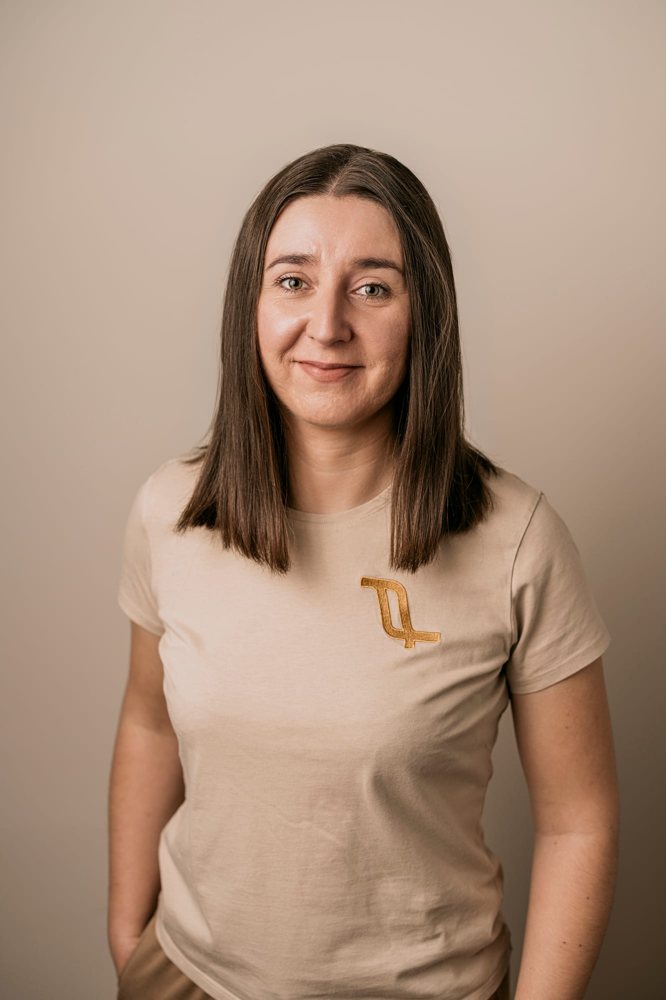
She leads the physiotherapy team at Zelendur and the physiotherapy assessment on admission, on which the personal exercise and therapy plan is based. She has many years of experience working with neurological patients and focuses in particular on neurorehabilitation and robotic rehabilitation devices, for several of which she is also an instructor. In her work she emphasises an individual approach and a relationship with patients built on trust, with the aim of the greatest possible independence and quality of life.
Biography and articles →Next content review: 18 May 2027. This text is for information only and does not replace an examination by a doctor.
Sources
- Low back pain and sciatica in over 16s, guideline NG59 (NICE, 2016, updated 2026): nice.org.uk/guidance/ng59
- Manipulation and mobilisation for neck pain contrasted against an inactive control or another active treatment (Cochrane, 2015): doi.org/10.1002/14651858.CD004249.pub4
- International framework for examination of the cervical region (IFOMPT): ifompt.org