
Questions you ask us.
Every article is signed by a named expert, and medical advice is reviewed by our doctors, specialists in physical medicine and rehabilitation.
Back and spine pain
Causes, exercises and when to start rehabilitation.
Guide →
Physiotherapy
What it involves, how long it lasts and who pays for it.
Guide →
Therapies and technology
Robotics, isokinetics, pool, TECAR, laser.
Guide →
Recovery after surgery
Hip, knee, cruciate ligament, return to sport.
Guide →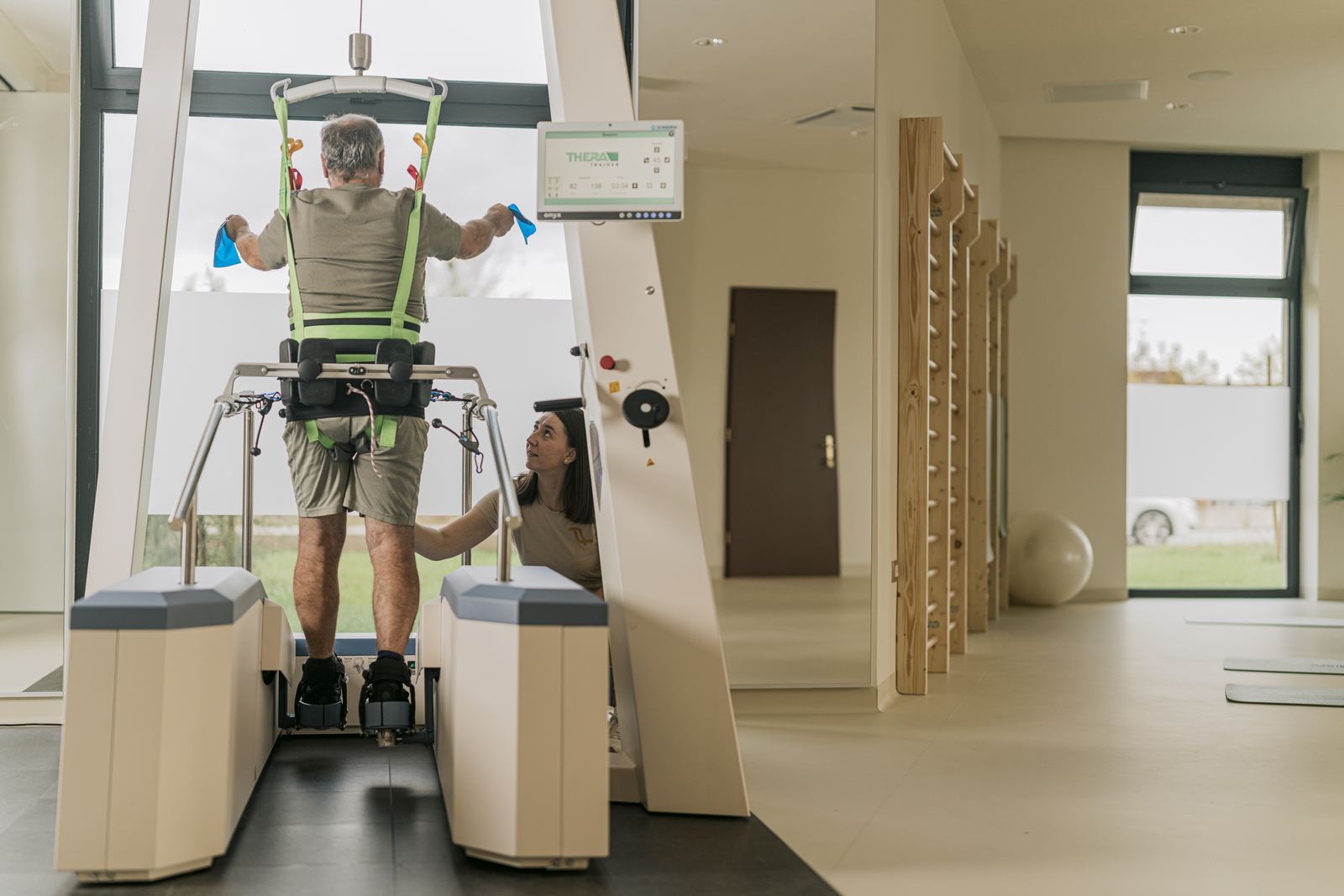
Neurorehabilitation
Recovery after a stroke and other neurological conditions.
Guide →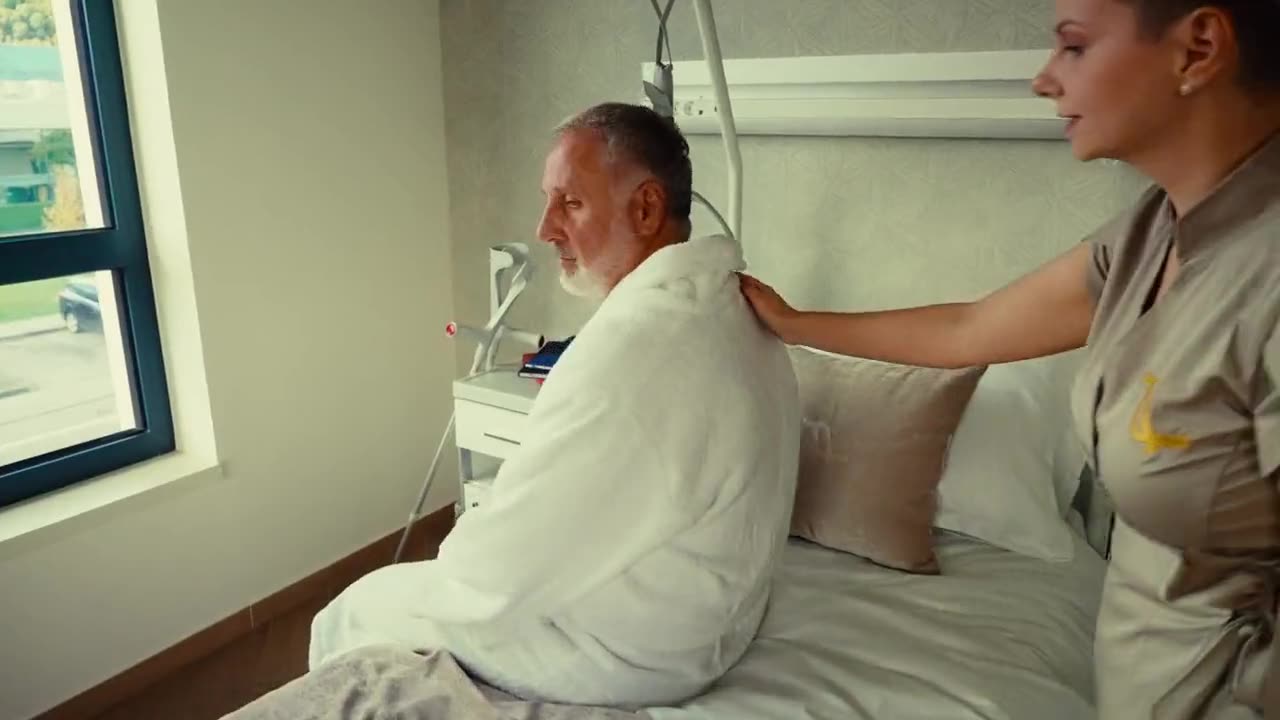
How to choose rehabilitation
Spa or hospital, HZZO or private.
Guide →Back and spine pain →
Lower back pain: causes and what helps
Lower back pain usually comes from muscles, joints and discs, is as a rule not dangerous and settles within a few weeks. Stay moderately active and av…
Read →Pinched nerve in the back or neck: symptoms, treatment and when to see a doctor urgently
A pinched nerve means that a nerve root in the spine is compressed or irritated, most often by a herniated disc. The pain spreads into the leg (sciati…
Read →Exercises for the lower back and neck: safe basic exercises step by step
For the lower back and neck, gentle, regular mobility and strengthening exercises help most, done slowly and without sharp pain, together with daily m…
Read →Physiotherapy →
Physiotherapy through HZZO or privately: how the process works in Croatia
Through HZZO (the Croatian Health Insurance Fund), the route starts with a referral from your GP to a physiatrist, who prescribes the therapy, and inp…
Read →What physiotherapy involves: from the first examination to the last session
Physiotherapy starts with an examination by a physiatrist and an assessment by a physiotherapist, after which you receive a therapy plan. In a session…
Read →How long physiotherapy takes: one session, a course and the whole recovery
One outpatient physiotherapy session usually lasts from half an hour to an hour, and a course lasts several weeks, with sessions several times a week.…
Read →Therapies and technology →
CPM: continuous passive motion after knee and hip surgery
CPM (continuous passive motion) is a therapy in which a motorised device slowly and rhythmically bends and straightens a joint, without any muscular e…
Read →Electrotherapy: TENS, electrical muscle stimulation and other currents in rehabilitation
Electrotherapy uses mild, precisely dosed electrical impulses that act on nerves and muscles through electrodes on the skin. At Zelendur we use it as …
Read →Individual exercise therapy: one-to-one exercises with a physiotherapist
Individual exercise therapy (kinesiotherapy) is treatment through movement: a physiotherapist works with you one to one on exercises tailored to your …
Read →Isokinetic testing and targeted training: precise measurement of muscle strength
Isokinetic testing is the measurement of muscle strength on a device that keeps the movement at a constant speed. It shows how weak a muscle is, the d…
Read →Cryotherapy, thermotherapy and compression therapy (Zamar Therapy ZT Clinic)
Cryotherapy (cold), thermotherapy (heat) and compression therapy (pressure) help reduce pain, swelling and muscle tension. At Zelendur we deliver them…
Read →High-intensity laser (HIL): how it works and who it helps
High-intensity laser (HIL) is a physical therapy in which higher-power laser light is directed at a painful area. The aim is to relieve pain and suppo…
Read →Magnetic field therapy: how a pulsed magnetic field works and who it helps
Magnetic field therapy is a physical therapy in which a low-frequency pulsed magnetic field is applied to a part of the body. The treatment is painles…
Read →Manual therapy: techniques, who it helps and what it involves
Manual therapy is hands-on treatment in which the physiotherapist uses special techniques to move the joints and relax the soft tissues. The aim is to…
Read →Medical gymnastics: guided exercises for the spine, joints and balance
Medical gymnastics is a programme of guided therapeutic exercises for strength, mobility, posture, breathing and balance, carried out with a physiothe…
Read →Robot-assisted verticalisation and gait training: what it involves and who it helps
Robot-assisted gait training is a therapy in which a device supports part of your body weight and guides your legs through the walking pattern, while …
Read →TECAR therapy: what it is, how it works and who it helps
TECAR therapy is a physical therapy in which radiofrequency energy generates heat inside the tissue. It is used for pain and injuries of the muscles, …
Read →Therapy pool: hydrotherapy, aquatic exercise therapy and underwater massage
Hydrotherapy is therapy in water. In a therapy pool, buoyancy takes the load off the joints, warmth relaxes the muscles and the resistance of the wate…
Read →Therapeutic ultrasound: how it works, who it helps and when it is not used
Therapeutic ultrasound is a physical therapy in which high-frequency sound waves are transmitted into the soft tissues through a gel. It is used for p…
Read →Recovery after surgery →
Cruciate ligament reconstruction: rehabilitation and return to sport
Returning to sport after anterior cruciate ligament (ACL) reconstruction is most often possible nine to twelve months after the operation. The decisio…
Read →Five most common mistakes in recovery after hip or knee surgery
Recovery after hip or knee surgery is most often slowed by protecting the joint for too long, overloading it too early, putting off rehabilitation, a …
Read →Prehabilitation: how to prepare for a hip or knee replacement
Prehabilitation is targeted preparation of the body in the weeks before surgery, most often four to eight weeks of exercise, education and practical p…
Read →Recovery after a knee replacement: what to expect week by week
Recovery after a knee replacement usually takes three to six months, and the final result up to a year. Crutches are usually used for up to six weeks.…
Read →Recovery after a hip replacement: what to expect week by week
For most patients, recovery after a hip replacement takes three to six months. A walking frame or crutches are usually used for two to six weeks, offi…
Read →Knee and shoulder exercises: safe basic exercises and exercises after surgery
Basic knee exercises are quadriceps tightening, straight leg raises, heel slides, bridges and half squats against a wall. For the shoulder they are th…
Read →Neurorehabilitation →
How the family can help after a stroke: a practical guide
The family helps most through encouragement, patience and repeating the exercises the team has shown, not by doing everything for the patient. It is i…
Read →The first months after a stroke: what to expect and what recovery looks like
The fastest recovery after a stroke usually happens in the first three to six months, while the brain is reorganising most intensively. At that stage,…
Read →Verticalisation and balance: from bed to walking safely
Verticalisation is gradually bringing upright a person who has been lying down for a long time or cannot stand unaided, while blood pressure and pulse…
Read →How to choose rehabilitation →
Hip fracture in older people: a guide for families
A hip fracture in an older person is treated with surgery, usually within one to two days. Patients get up as early as a day or two after the operatio…
Read →Where to go after surgery: inpatient or outpatient rehabilitation?
Outpatient rehabilitation means you live at home and come in for therapy several times a week. Inpatient rehabilitation means staying at a facility wi…
Read →What to bring to rehabilitation and what a day at Zelendur looks like
Bring your medical records, the medicines you take with a list, comfortable exercise clothes, closed non-slip shoes, a swimming costume and your own w…
Read →Spa or specialty rehabilitation hospital: what is the difference and which to choose?
Spas offer rehabilitation using natural healing factors such as thermal water, possibly paid for by HZZO (the Croatian Health Insurance Fund), but the…
Read →Not sure what is best for you?
Send us your medical records or discharge letter: our doctors review them free of charge and we suggest a plan. No obligation.