

What high-intensity laser (HIL) is
High-intensity laser (HIL) is a physical therapy in which focused laser light is applied to a painful area. Compared with low-power lasers, which have been used in physiotherapy for longer, HIL has higher power, so energy can be delivered to a larger area in a shorter time.
Laser light acts in the tissue in two ways: - biological effect (photobiomodulation): the light stimulates processes in the cells that are associated with relieving pain and inflammation and with tissue recovery; - thermal effect: gentle warming of the tissue, which relaxes the muscles and improves blood flow.
The aim of the therapy is to relieve pain and make movement easier, so that exercise is more comfortable and more effective.
What the treatment involves
- Before starting, the doctor checks whether there are reasons why laser is not suitable.
- The treatment area must be clean, without cream or jewellery.
- You and the physiotherapist put on protective glasses, because the laser beam must not be directed into the eyes.
- The physiotherapist moves the probe slowly over the painful area.
The therapy is painless. You feel a pleasant warmth, which must not burn: if the warmth is too strong, say so, and the physiotherapist will adjust the settings. The duration depends on the size of the area and is usually a few minutes per area. Laser is most often given as a series of treatments, and the number of treatments is set according to the condition and the response to therapy.
How to prepare
- Tell your doctor which medicines you take, especially if any of them make the skin more sensitive to light.
- On the day of therapy, do not apply cream or lotion to the area being treated.
- Mention any tattoos, dark moles or skin changes in that area.
- If you are pregnant or could be pregnant, be sure to say so before therapy.
Who high-intensity laser helps
Laser is most often considered for painful conditions of the musculoskeletal system: - lower back and neck pain; - painful tendon conditions, for example of the shoulder, elbow (tennis elbow) or Achilles tendon; - heel pain (plantar fasciitis); - osteoarthritis of the knee and other joints; - pain and swelling after sprains, strains and other injuries; - sports injuries in the recovery stage.
What does the research say? Studies of high-intensity laser therapy point to a possible short-term reduction in pain in some conditions, but they are mostly small and of varying quality, and reviews of studies on low-power lasers for back pain also do not give a clear answer. The British NICE guidelines for osteoarthritis do not recommend laser therapy, because there is not enough evidence of benefit. That is why we do not regard laser as a stand-alone treatment, but as an addition to active therapy.
When laser is not used
Laser is not used, or is used only with particular caution, for example: - directly into the eyes or near them without protection; - during pregnancy, in the area of the abdomen and pelvis; - in the area of a cancer; - with increased sensitivity to light or with medicines that increase it; - over tattoos and dark moles, which absorb more light and heat; - with reduced sensation of heat in the treatment area; - with bleeding or a tendency to bleed in the treatment area; - over the thyroid gland and over growing bones in children.
Your doctor decides whether laser is safe and useful for you.
How laser fits into your plan at Zelendur
High-intensity laser is part of Zelendur's equipment. We include it in your personal plan selectively, when the doctor judges that it can help with pain and make exercise easier. The plan is drawn up after admission (a medical examination, a nursing assessment and a physiotherapy assessment, each about 45 minutes) and adjusted every day.
With us, laser is combined with individual exercise therapy, manual therapy and other treatments, because strength and mobility come back in the long term through exercise. You receive your schedule for tomorrow the day before, and therapies take place Monday to Friday 8 am to 7 pm and Saturday 8 am to 3 pm.
Read more about back pain in the guide Back pain, and about similar treatments on the pages therapeutic ultrasound and TECAR therapy. An overview of all treatments is on the Therapies page.
If you are not sure what is best for you, get in touch: we will review your medical records free of charge and suggest the next step.
Frequently asked questions
What is HIL laser therapy?
HIL is high-intensity laser therapy, that is, therapy with a laser of higher power than conventional therapeutic lasers. The laser light is directed at the painful area with the aim of relieving pain and supporting tissue recovery. It is used as an addition to exercise, based on the doctor's assessment.
Does laser therapy hurt?
No. During therapy you feel a pleasant warmth in the area being treated. The laser must not burn: if the warmth is too strong, tell the physiotherapist, who will adjust the settings or the speed of movement.
How many laser treatments are needed?
Laser is usually given as a series of treatments, and the number depends on the condition, the response to therapy and the rest of the plan. This is decided by the doctor and physiotherapist, who monitor the effect and continue or stop the therapy accordingly.
Is laser therapy safe?
With correct use and eye protection, the therapy is generally safe. The laser beam must not be directed into the eyes, so both the patient and the physiotherapist wear protective glasses. Before therapy, the doctor checks whether there are reasons why laser is not suitable.
Can laser help with shoulder or knee pain?
Laser is often used for painful conditions of the shoulder tendons. Studies point to a possible short-term reduction in pain, but the evidence is of varying quality. For knee osteoarthritis, the NICE guidelines do not recommend laser, because there is not enough evidence of benefit. That is why we combine laser with exercises that restore strength and mobility in the long term.
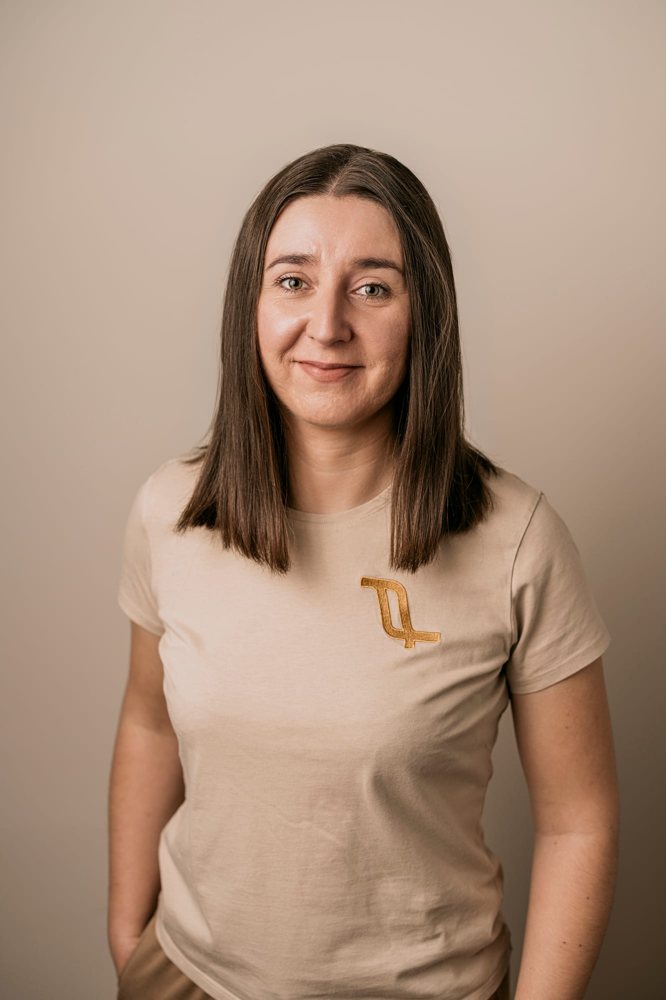
She leads the physiotherapy team at Zelendur and the physiotherapy assessment on admission, on which the personal exercise and therapy plan is based. She has many years of experience working with neurological patients and focuses in particular on neurorehabilitation and robotic rehabilitation devices, for several of which she is also an instructor. In her work she emphasises an individual approach and a relationship with patients built on trust, with the aim of the greatest possible independence and quality of life.
Biography and articles →Next content review: 18 May 2027. This text is for information only and does not replace an examination by a doctor.
Sources
- Low level laser therapy for nonspecific low-back pain (Cochrane, 2008): doi.org/10.1002/14651858.CD005107.pub4
- World Association for Photobiomodulation Therapy (WALT): waltpbm.org
- Osteoarthritis in over 16s, diagnosis and management, guideline NG226 (NICE, 2022): nice.org.uk/guidance/ng226