

What medical gymnastics is
Medical gymnastics is a programme of guided therapeutic exercises led by a physiotherapist. Unlike recreational exercise, the exercises are chosen with a specific therapeutic goal: strengthening weakened muscles, better mobility of the joints and spine, correct posture, breathing and balance.
Medical gymnastics is usually carried out in a small group, but it can also be individual. It differs from individual exercise therapy in that it is a structured programme for people who are already confident enough in their movement. A group also has its own advantages: exercising with others is motivating, and it is easier to learn a programme you will continue on your own.
The most common programmes include: - exercises for the spine and posture: strengthening the trunk muscles, stretching and correct loading of the back; - exercises for the joints, for example the hip, knee and shoulder, in the later stage of recovery; - balance and falls prevention exercises, especially for older people; - breathing and general fitness exercises, after a longer period of immobility or illness.
What a session involves
Each session usually has three parts: 1. Warm-up: gentle movements that prepare the joints and muscles. 2. Main part: strength, mobility and balance exercises, sitting, standing or lying, with equipment such as balls, elastic bands and sticks. 3. Cool-down: stretching and breathing exercises.
The physiotherapist demonstrates the exercises, corrects technique and adapts them to each participant: the same exercise can have an easier and a harder version. The length and intensity are adapted to the group and the stage of recovery. During exercise you feel moderate effort, and pain should not get worse. If an exercise is uncomfortable, say so, and the physiotherapist will offer you an alternative.
Who medical gymnastics helps
- for long-term back and neck pain and degenerative changes of the spine;
- for osteoarthritis of the hip and knee;
- in the later stage of recovery after a joint replacement and other operations, once basic movement is already safe;
- for older people with unsteady walking and a risk of falling;
- for weakness and loss of fitness after an illness or a longer hospital stay;
- for poor posture and muscle imbalance.
The evidence for the benefit of exercise is better than for most physical modalities. A review of studies (Cochrane) shows that exercise, especially balance and strength exercise, reduces the number of falls in older people, and exercise for long-term lower back pain probably reduces pain compared with no treatment. Guidelines for osteoarthritis name exercise as the foundation of treatment.
Exercise should not stop when you leave hospital. The World Health Organization recommends that adults do at least 150 minutes of moderate physical activity a week and strengthening exercises on at least two days a week, and that older people also do balance and strength exercises on three or more days a week, adapted to their health. The programme learned in medical gymnastics is a good basis for this.
When medical gymnastics is not used
Medical gymnastics is postponed or replaced by individual work, for example: - in the early stage after surgery or injury, when one-to-one work is needed; - in acute infection or fever; - in an unstable heart condition or uncontrolled high blood pressure; - in severe new pain of unknown cause; - in marked unsteadiness or a risk of falling that requires constant help from the therapist.
Your doctor decides, together with the physiotherapist, whether and when medical gymnastics is appropriate for you.
How medical gymnastics fits into your plan at Zelendur
At Zelendur, medical gymnastics is one part of the personal plan that is drawn up after admission (a medical examination, a nursing assessment and a physiotherapy assessment, each about 45 minutes) and adjusted every day. We include it once you are confident enough in your movement, and individual exercise therapy continues alongside it.
Exercise also continues in the therapy pool, in the gym for sports rehabilitation and on the outdoor therapy terrain with uphill and downhill slopes and uneven ground. You receive your schedule for tomorrow the day before, and therapies alternate with rest throughout the day.
You will find examples of exercises you can also do at home in the articles exercises for the back and neck and exercises for the knee and shoulder. An overview of all treatments is on the Therapies page.
If you are not sure what is best for you, get in touch: we will review your medical records free of charge and suggest the next step.
Frequently asked questions
What is medical gymnastics?
Medical gymnastics is a programme of guided therapeutic exercises for strength, mobility, posture, breathing and balance. It is led by a physiotherapist, usually in a small group, and the exercises are adapted to the participants' condition.
What is the difference between medical gymnastics and exercise therapy?
Individual exercise therapy is carried out one to one and is fully tailored to one person, which is important in the early stage of recovery. Medical gymnastics is a structured programme, often in a small group, for people who are already confident enough in their movement. Both are forms of treatment through exercise and are often combined.
Can I do medical gymnastics if my back hurts?
In long-term back pain, exercise is the foundation of treatment and usually helps. The exercises are adapted, and pain should not get worse from day to day. If you have severe new pain or pain with weakness in a leg, see a doctor first.
Does exercise help prevent falls in older people?
Yes. A review of studies shows that exercise, especially balance and strength exercise, reduces the number of falls in older people living at home. Regular exercise over a longer period helps most.
What should I wear for medical gymnastics?
Comfortable clothing that does not restrict movement and closed, stable, non-slip shoes. If you use a walking aid or an orthosis, bring it with you.
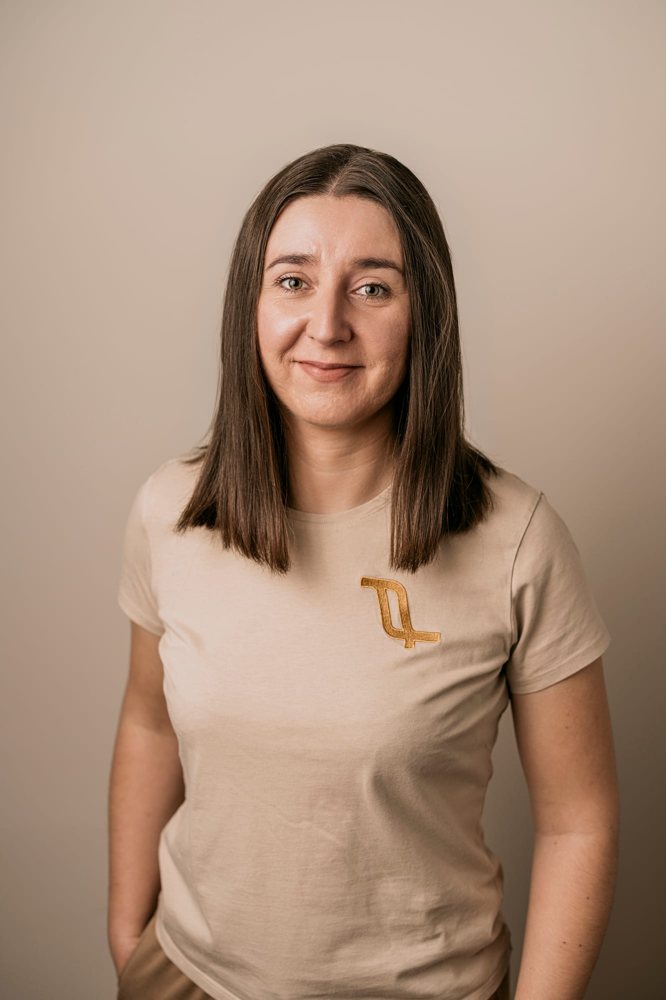
She leads the physiotherapy team at Zelendur and the physiotherapy assessment on admission, on which the personal exercise and therapy plan is based. She has many years of experience working with neurological patients and focuses in particular on neurorehabilitation and robotic rehabilitation devices, for several of which she is also an instructor. In her work she emphasises an individual approach and a relationship with patients built on trust, with the aim of the greatest possible independence and quality of life.
Biography and articles →Next content review: 18 May 2027. This text is for information only and does not replace an examination by a doctor.
Sources
- Exercise for preventing falls in older people living in the community (Cochrane, 2019): doi.org/10.1002/14651858.CD012424.pub2
- Exercise therapy for chronic low back pain (Cochrane, 2021): doi.org/10.1002/14651858.CD009790.pub2
- Guidelines on physical activity and sedentary behaviour (World Health Organization, 2020): who.int/publications/i/item/9789240015128